
( +45 ) 609 030 82
contact@quantumvalley.net
25 + Country Coverage
Lorem ipsum dolor sit amet, consectetur adipiscing elit. Ut elit tellus, luctus nec ullamcorper mattis, pulvinar dapibus leo.
From the thunder of Victoria Falls to the endless plains of the Serengeti, Africa is a continent that rewrites what travel means. Whether you’re planning your first safari or returning for a deeper adventure, this guide has everything you need.
.
Africa isn’t just back on the map — it’s leading the world in travel innovation. With record-breaking visitor numbers, bold infrastructure investment, and flexible new visa programmes, 2026 is the finest time in a generation to explore this extraordinary continent.
Breaking pre-pandemic records by 7% — Africa’s travel renaissance is well and truly here.
South Africa, Mauritius, Namibia, Kenya, and Seychelles now welcome remote workers with dedicated visa programmes.
South Africa alone is pouring R20 billion into airport and transport upgrades ahead of the global travel boom.

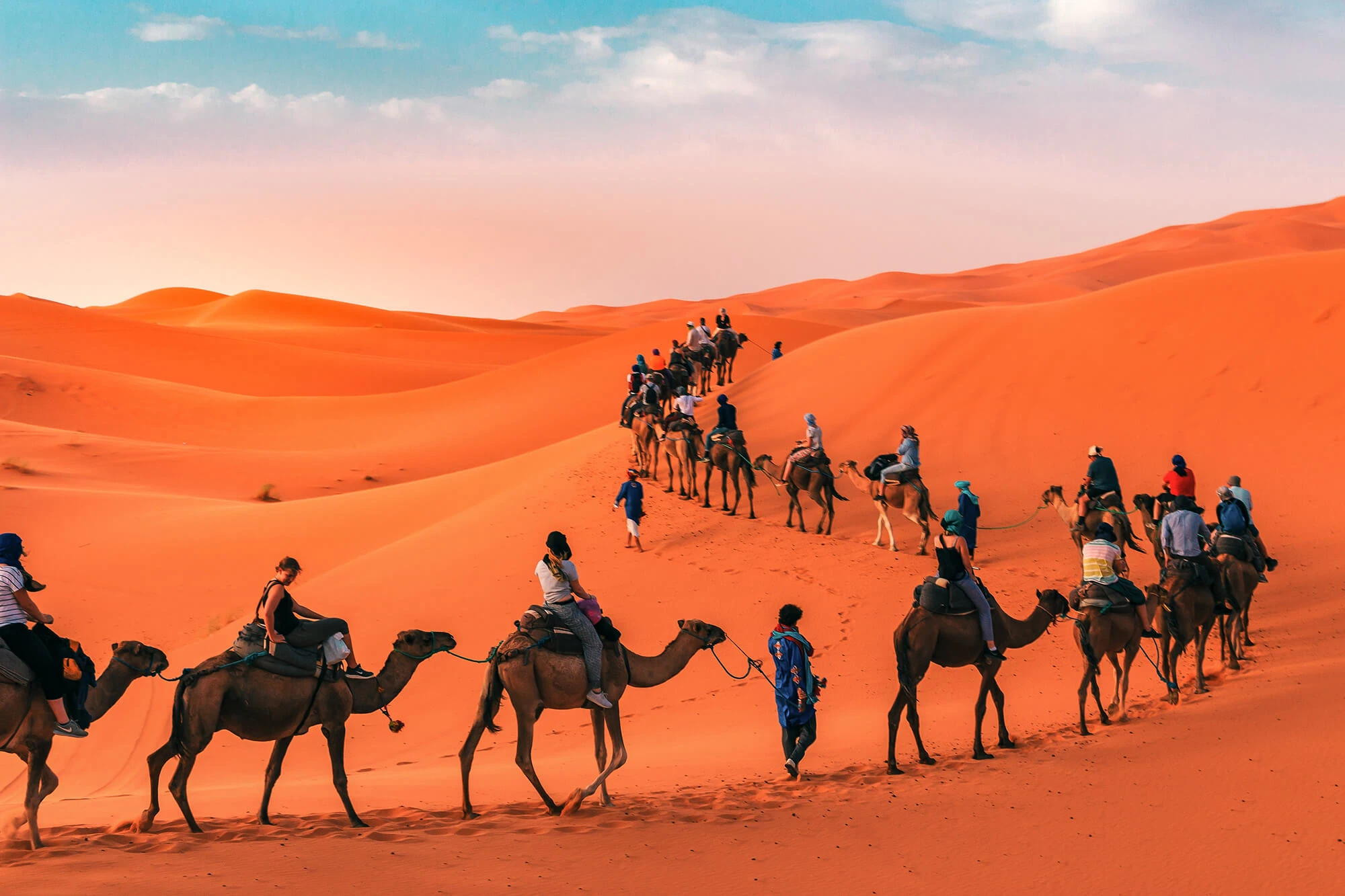
Morocco reigns as Africa's most-visited destination, while Forbes has crowned Zimbabwe the world's best country to visit — proof that Africa's appeal spans desert medinas and wildlife-rich wilderness alike.
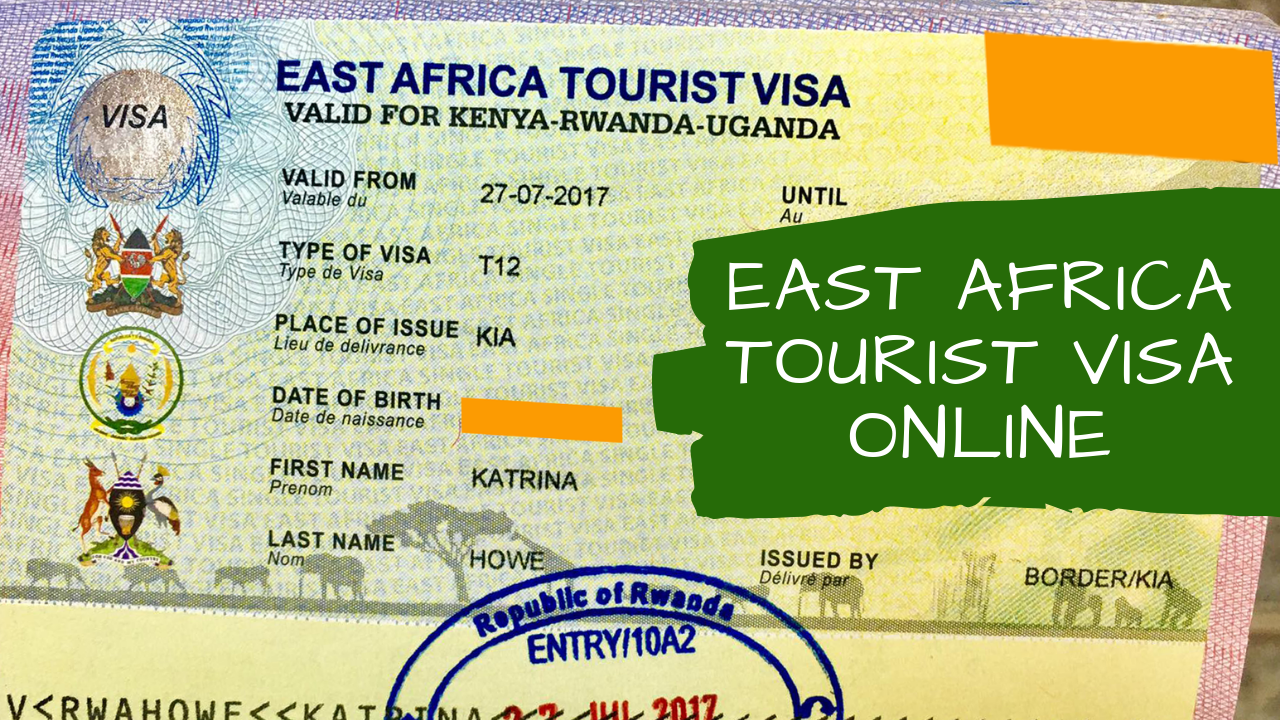
The East African Tourist Visa covers Kenya, Uganda, and Rwanda in one stamp. The KAZA UniVisa unlocks both Zimbabwe and Zambia together — making multi-country adventures simpler and more affordable than ever before.
Africa is not a single destination — it is 54 sovereign nations, each with its own visa requirements, currency, language, and safety landscape. Careful, destination-specific research is the single most important step any traveller can take before departure.
Your passport must be valid for at least 6 months beyond travel dates and carry several blank pages. Kenya, Rwanda, and Ethiopia offer convenient eVisas online. Morocco and South Africa are visa-free for many nationalities — always verify your specific passport requirements well in advance.
Yellow Fever vaccination is mandatory for entry into many African countries. Malaria prevention — through prophylactics and mosquito protection — is critical across sub-Saharan regions. Book an appointment with a specialist travel clinic 6–8 weeks before your departure date.
Carry crisp, new US dollar bills — series 2009 or newer — for visa fees and border payments, as older notes are often refused. ATMs are widely available in cities and major towns, but keep some physical cash on hand for remote lodges, local markets, and rural border crossings.
Travel insurance is absolutely non-negotiable for Africa. Ensure your policy covers medical emergencies including emergency evacuation, lost or stolen luggage, and trip cancellations. Medical evacuation from remote safari areas can cost tens of thousands of pounds without cover.
Pro Tip: Start your preparation at least 8 weeks before travel — vaccinations, visa applications, and insurance policies all take time. The earlier you begin, the smoother your journey will be.
Africa rewards the prepared and the culturally aware traveller. Understanding the local context — from infrastructure realities to social customs — transforms potential frustrations into part of the authentic adventure.
Guided safari travel is one of the safest forms of adventure tourism in the world. Small groups, professional guides, high hygiene standards in lodges, and inherent social distancing in the bush combine to create a remarkably secure experience. Follow your guide’s instructions at all times.
Africa is deeply religious and socially conservative in many regions. Dress modestly when visiting villages, markets, and places of worship. In rural areas, locals may stare out of genuine curiosity — a warm smile and a friendly wave almost always breaks the ice immediately. Respect and openness are your greatest travel tools.
Wi-Fi is limited or unreliable in remote areas and national parks. Purchase a local SIM card on arrival in major cities for affordable data, or invest in a portable Wi-Fi device. Download offline maps, guides, and entertainment before heading into the bush.
Africa delivers moments that simply cannot be replicated anywhere else on Earth. These are the experiences that travellers remember for the rest of their lives — plan carefully, embrace spontaneity, and prepare to be profoundly moved.
Witness over two million wildebeest, zebra, and gazelle thunder across the Serengeti and Masai Mara in one of nature’s greatest spectacles. Peak river crossings run from June to October; the magical calving season unfolds from December to March. Private conservancies offer exclusive night drives and walking safaris unavailable in the main parks.
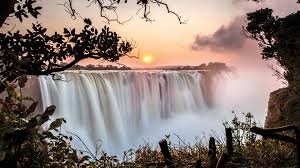
Known as Mosi-oa-Tunya — “The Smoke That Thunders” — Victoria Falls pours 500 million litres of water per minute over a mile-wide cliff. Beyond the viewing platforms, brave travellers can bungee jump from the gorge bridge or swim in Devil’s Pool at the very lip of the falls during low water season (September–December).
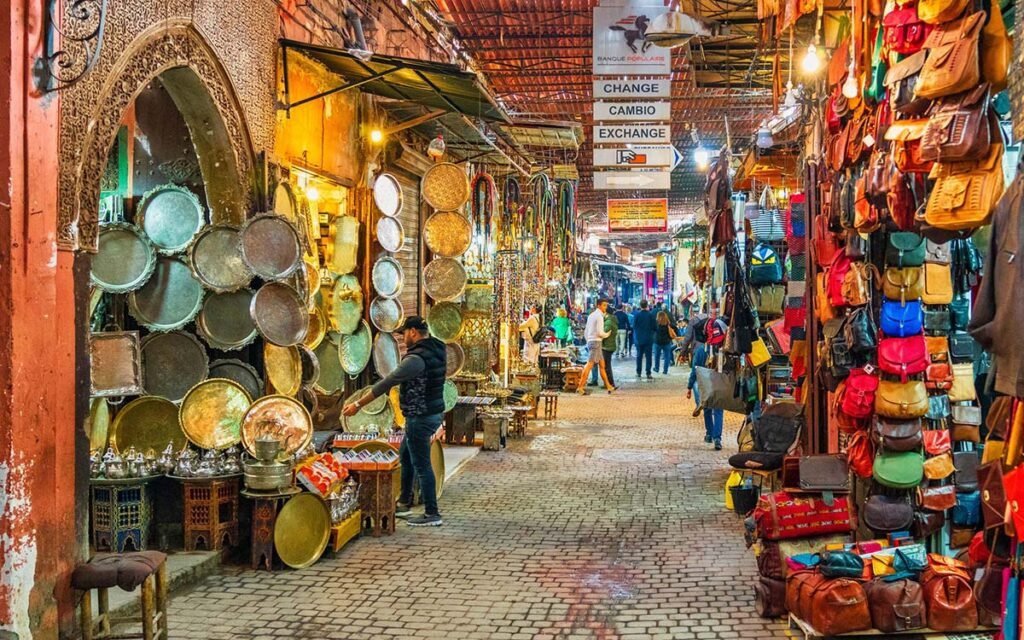
Haggle for treasures in the labyrinthine souks of Marrakech, explore Cape Town’s extraordinary blend of mountain, ocean, and cultural richness, or dive the world-class coral reefs of Egypt’s Red Sea. Africa’s urban adventures are as rewarding as its wilderness — each city tells a layered, fascinating story.
Candlelit dinners under a billion stars, bush breakfasts with elephant silhouettes on the horizon, and fresh local cuisine crafted to dietary needs — safari camps have elevated outdoor dining to a genuine art form.
Neutral-toned clothing (khaki, olive, beige) blends into the bush and is universally practical. Essentials include high-SPF sun protection, quality binoculars, a camera with a telephoto lens, and above all else — an open, flexible spirit ready for the unexpected.
The magic hours in Africa are at dawn. Animals are most active, light is golden, and the bush is alive with sound and movement. Set that alarm and embrace the early mornings — they will deliver the photographs and memories that define your entire journey.