Tilapia Farming: The 6-Month Path to High-Yield Aquaculture

Discover how tilapia farming delivers reliable returns in as little as six months — combining low input costs, fast growth cycles, and strong market demand into one of aquaculture’s most resilient business models.

The Profitability Engine

Tilapia’s commercial appeal stems from four converging advantages that make it uniquely suited to profitable small and large-scale operations alike.

Rapid Growth

Market-ready size of 500–800g achieved in just 6 months, enabling multiple annual harvest cycles.

Low Input Costs

Herbivorous diet dramatically reduces feed expenses compared to carnivorous species like salmon or sea bass.

High Demand

Consistent market appetite for fresh, affordable protein makes tilapia a reliable revenue source year-round.

Scalability

Systems range from low-cost earthen ponds to high-intensity RAS, fitting any budget or ambition.

6 Months from Fingerling to Profit
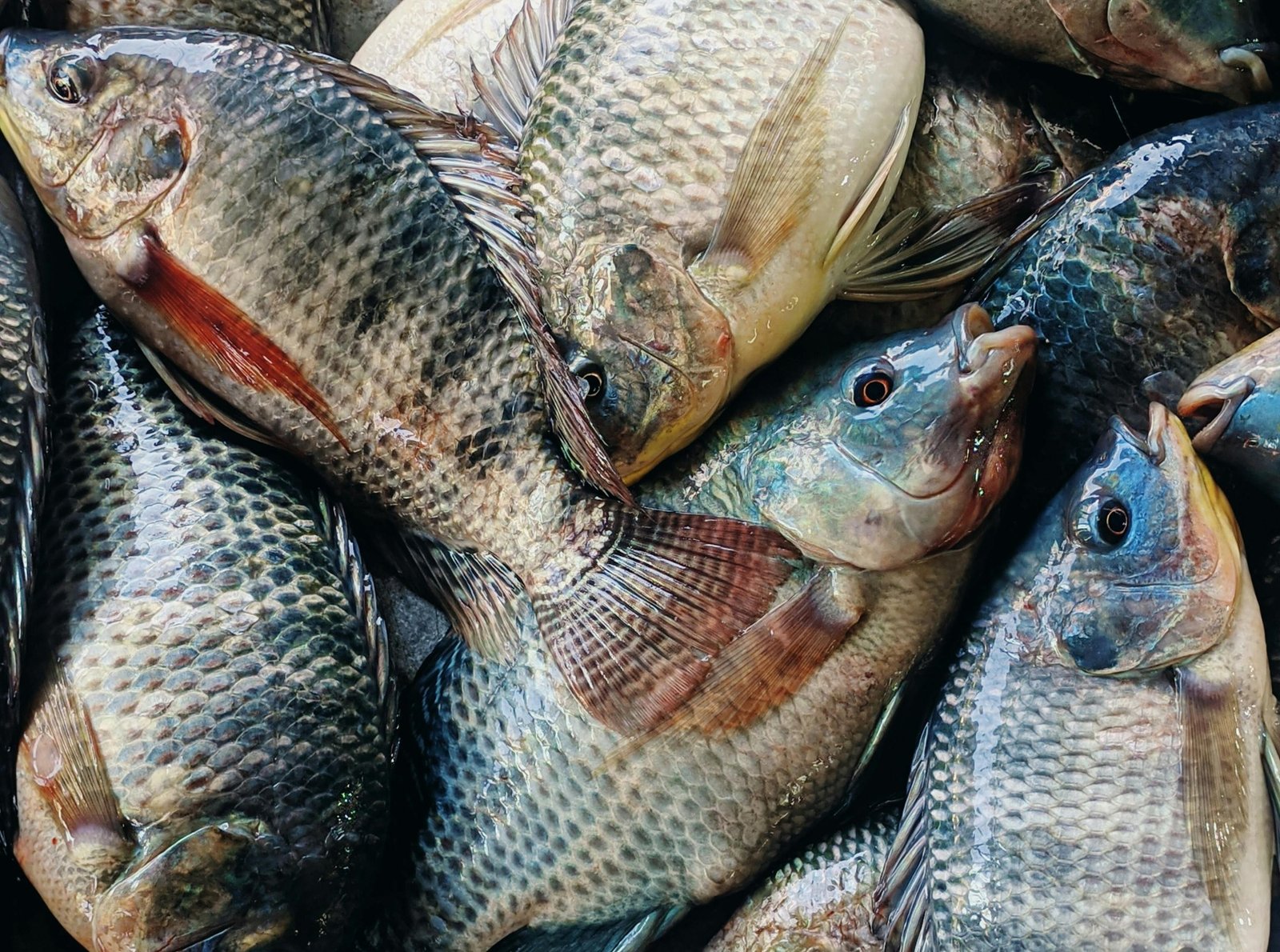
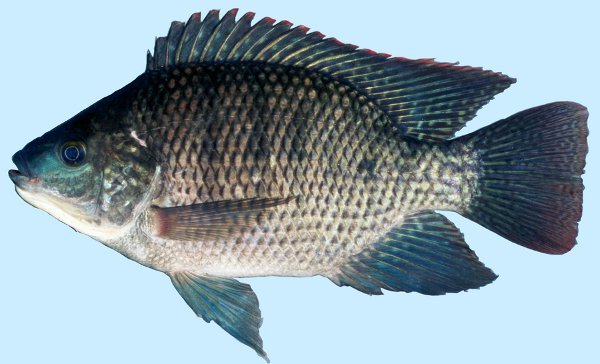
Nile Tilapia (Oreochromis niloticus) is the benchmark species for commercial aquaculture. Under optimised conditions — stable water temperature, quality feed, and disciplined stocking density — fingerlings reach full market weight within a single six-month production window.

This compressed cycle is the cornerstone of tilapia’s ROI story, allowing farmers to harvest, restock, and generate revenue twice or more per calendar year.

Key Benchmarks

  • Stocking size: 5–10g fingerlings
  • Target harvest weight: 500–800g
  • Optimal water temp: 25–30°C
  • Feed conversion ratio: 1.2–1.8
  • Survival rate: 85–95%

The Economics of Scale

Getting the tank count right is the single biggest lever for financial efficiency. Research consistently points to 32 grow-out tanks as the optimal entry point — enough volume to justify infrastructure costs without overextending capital.

32

Baseline Tanks

Optimal entry point for economic efficiency and viable unit cost management.

+20%

IRR Boost

Expanding from 32 to 48 tanks can increase Internal Rate of Return by over 20%.

87%

Success Rate

Positive profit margins recorded in over 87% of simulated production scenarios.

Larger operations benefit from reduced unit investment costs and optimised labour ratios — fixed overheads are spread across greater output, compressing the cost per kilogram at harvest.

Comparative Advantage: Why Tilapia Wins

Faster Turnaround

Six-month cycles allow for two or more harvests per year, dramatically improving annual return on investment compared to slower-growing species.
Remarkable Hardiness

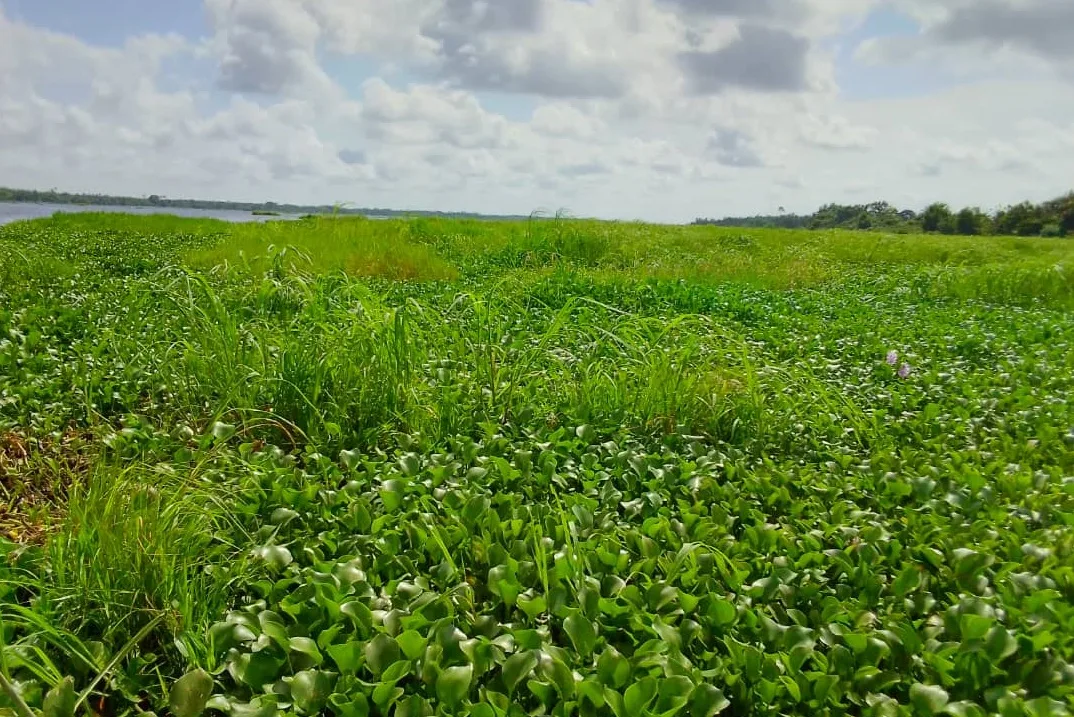
High tolerance for varying water conditions, dissolved oxygen levels, and temperature fluctuations significantly reduces mortality risk for new farmers.

Effortless Breeding

Prolific natural reproduction ensures a near-constant, low-cost supply of fingerling stock — reducing dependence on expensive external suppliers.
Cost Control

Plant-based feed requirements keep recurring operational overhead low, protecting margins even during periods of market price pressure.
Risk and Reality

Tilapia farming is commercially compelling, but clear-eyed risk management is essential. Understanding the key challenges before you invest protects both capital and confidence.

Market Volatility

Success depends on local demand and prevailing price conditions. Conduct thorough market research before committing to a system size.

Management Intensity

Tilapia’s prolific breeding can lead to overcrowding. Strict population control — including sex reversal or monosex stocking — is non-negotiable.

Technical Requirements

Biofloc and RAS systems offer superior yields but demand higher initial capital investment and a steeper operational learning curve.

Positive Outlook

Despite these challenges, data shows positive profit margins in over 87% of simulated production scenarios — a strong foundation for informed investment.

Your Roadmap to ROI

A disciplined four-phase approach takes you from initial research to a scaled, profitable operation — all within a structured, repeatable framework.

1

Phase 1: Market Research

Identify preferred fish size, local pricing benchmarks, and your primary sales channels before spending a penny on infrastructure.

3

Phase 3: First Cycle

Run a disciplined 6-month production cycle with optimised feeding schedules, water monitoring, and accurate record-keeping.

2

Phase 2: System Selection

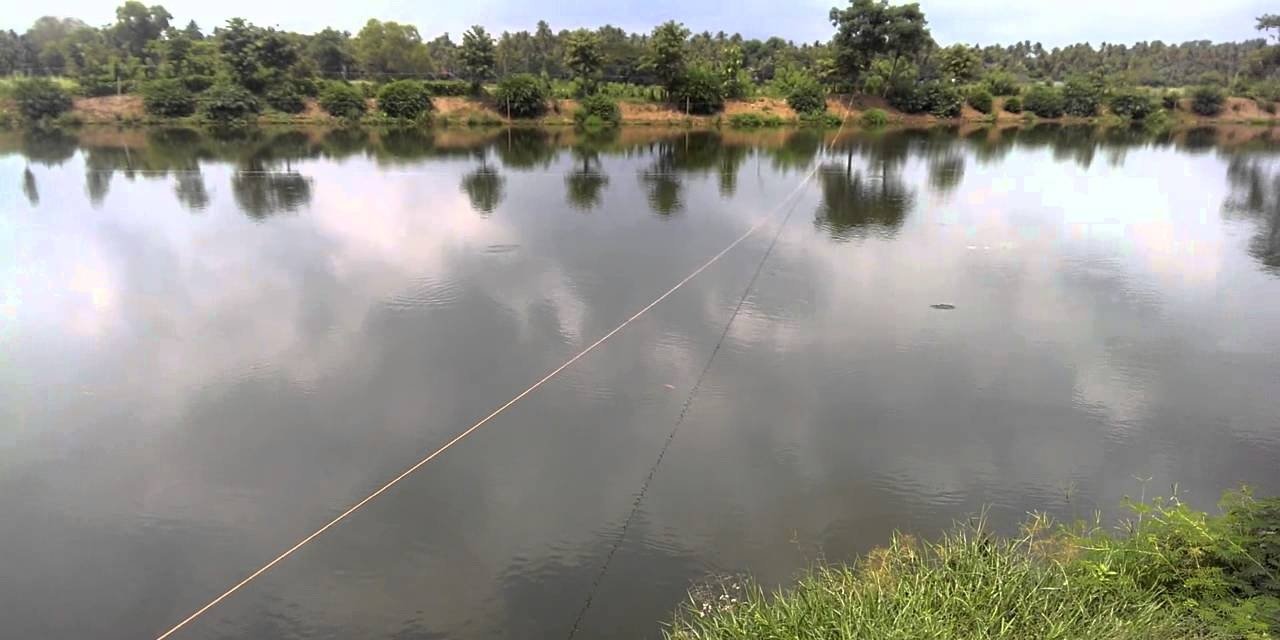
Choose between Pond, Cage, or RAS based on your available capital, land area, and technical capacity.

4

Phase 4: Scale Up

Once your first cycle validates local demand and margin, expand tank capacity — targeting the 32-to-48 tank threshold for maximum IRR.

Farmers who follow a structured four-phase approach report reaching break-even point within their first full production cycle — and profitability by month 12.

Make A Difference With Quantum Valley