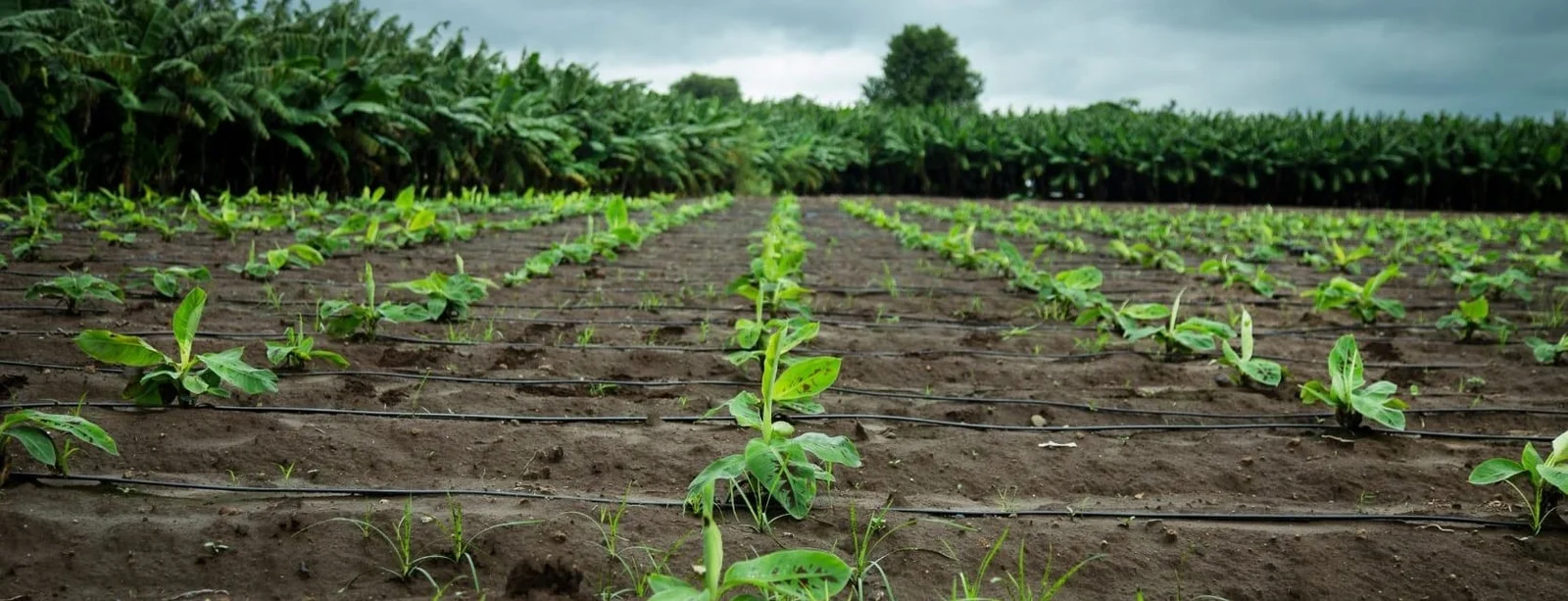
There are 5 different soil types that gardeners and growers usually work with. All five are a combination of just three types of weathered rock particles that make up the soil: sand, silt, and clay. How these three particles are combined defines your soil’s type — how it feels to the touch, how it holds water, and how it’s managed, among other things.
Sandy Soil
When you roll the slightly wet sandy soil in your palms, no ball should be formed and it crumbles through your fingers easily.
Silty Soil
Clay Soil
If moistened soil feels sticky, rolls up easily, and forms into a ball or sausage-like shape, then you’ve got yourself clay.
Peaty soil
Saline Soil
The salinity is due to the buildup of soluble salts in the rhizosphere – high salt contents prevent water uptake by plants, leading to drought stress.It’s easy enough to test if you have saline soil. You’ll probably see a white layer coating the surface of the soil, your plants are growing poorly, and they’re suffering from leaf e burn, especially on young leaves.
Loam Soil
